

In March 2026, Finnish FoodTech company Happy Plant Protein set out a clear vision: to redefine how plant-based proteins are produced — and where value is created.
At the heart of this shift is a simple but powerful idea. What if high-quality plant protein ingredients could be produced closer to where crops are grown?
By transforming locally grown raw materials into functional protein ingredients at source, Happy Plant Protein enables regional protein production, strengthens supply chain resilience, and creates new value across the agricultural ecosystem.
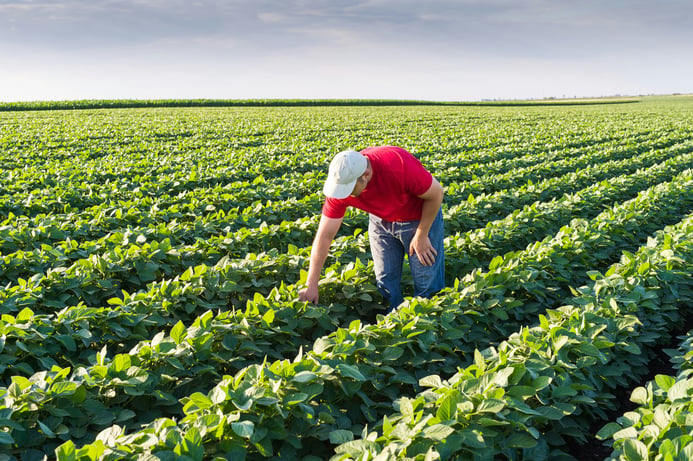
From local crops to scalable protein ingredients
Using its patented dry extrusion technology, Happy Plant Protein converts crops such as pea, faba bean, oat and soy into textured vegetable protein (TVP) — a versatile ingredient used in plant-based, hybrid and protein-enriched food products.
The key difference lies in where and how this happens.
Instead of centralised, capital-intensive processing, the technology enables local production using regionally sourced raw materials. This opens up new opportunities not only for food manufacturers seeking scalable protein ingredients, but also for mills, farms and agricultural co-operatives looking to capture more value from existing crops.
By supporting regional processing and reducing reliance on imported protein inputs, the model contributes to a more resilient and self-sufficient food system.
Moving up the value chain
For many mills and farms, flour remains a low-margin commodity — even as global demand for plant-based protein continues to grow.
Today, much of the value creation takes place further down the chain, in large-scale protein isolation facilities. This leaves primary producers exposed to price volatility while higher-value opportunities are realised elsewhere.
Happy Plant Protein aims to change that dynamic.
Its technology enables standard legume flour to be transformed directly into high-value, food-grade protein through a single-step process. In practical terms, this allows agricultural stakeholders to:
- move from low-margin commodity markets to higher-value food applications
- generate new revenue streams from existing raw materials
- expand product portfolios using familiar crops and infrastructure
- strengthen long-term regional competitiveness
Depending on the application and market, the value of locally produced flour can increase significantly — in some cases by up to seven times compared to conventional use.
A practical and more sustainable alternative
The process itself is designed with real-world production in mind.
Unlike conventional protein processing methods, which often rely on solvent extraction, intensive water use and energy-demanding drying stages, Happy Plant Protein’s approach is based on flour. It avoids chemical inputs, generates no side streams, and uses significantly less water and energy.
This makes it not only more sustainable, but also easier to implement across different types of production environments.
“The future of plant-based products is not only about better ingredients — it is about smarter processing built for real-world production and scalable growth,” says Jari Karlsson, CEO & Co-founder of Happy Plant Protein.
“With increasing geopolitical uncertainty, volatile import markets and rising demand for plant-based foods, regional protein production has become a strategic priority across the food industry,” he adds.
Beyond efficiency, the technology also addresses one of the most persistent challenges in plant-based food development: taste and texture. The resulting protein ingredients offer a neutral flavour profile and reliable functionality, supporting the development of better end products.
Built for collaboration
Happy Plant Protein is actively working with partners across the value chain — from mills and co-operatives to food manufacturers — to scale regional protein production.
The goal is clear: to enable a system where more value remains closer to the source, while supporting innovation in plant-based and hybrid foods.
For agricultural stakeholders, this represents an opportunity to rethink their role — not just as raw material producers, but as active participants in higher-value food production.