

On 14 April 2026, Finnish FoodTech company Happy Plant Protein took a major step towards commercialisation as its patented dry extrusion technology is being deployed in collaboration with a local partner in a new agriculture-based production facility in Latvia.
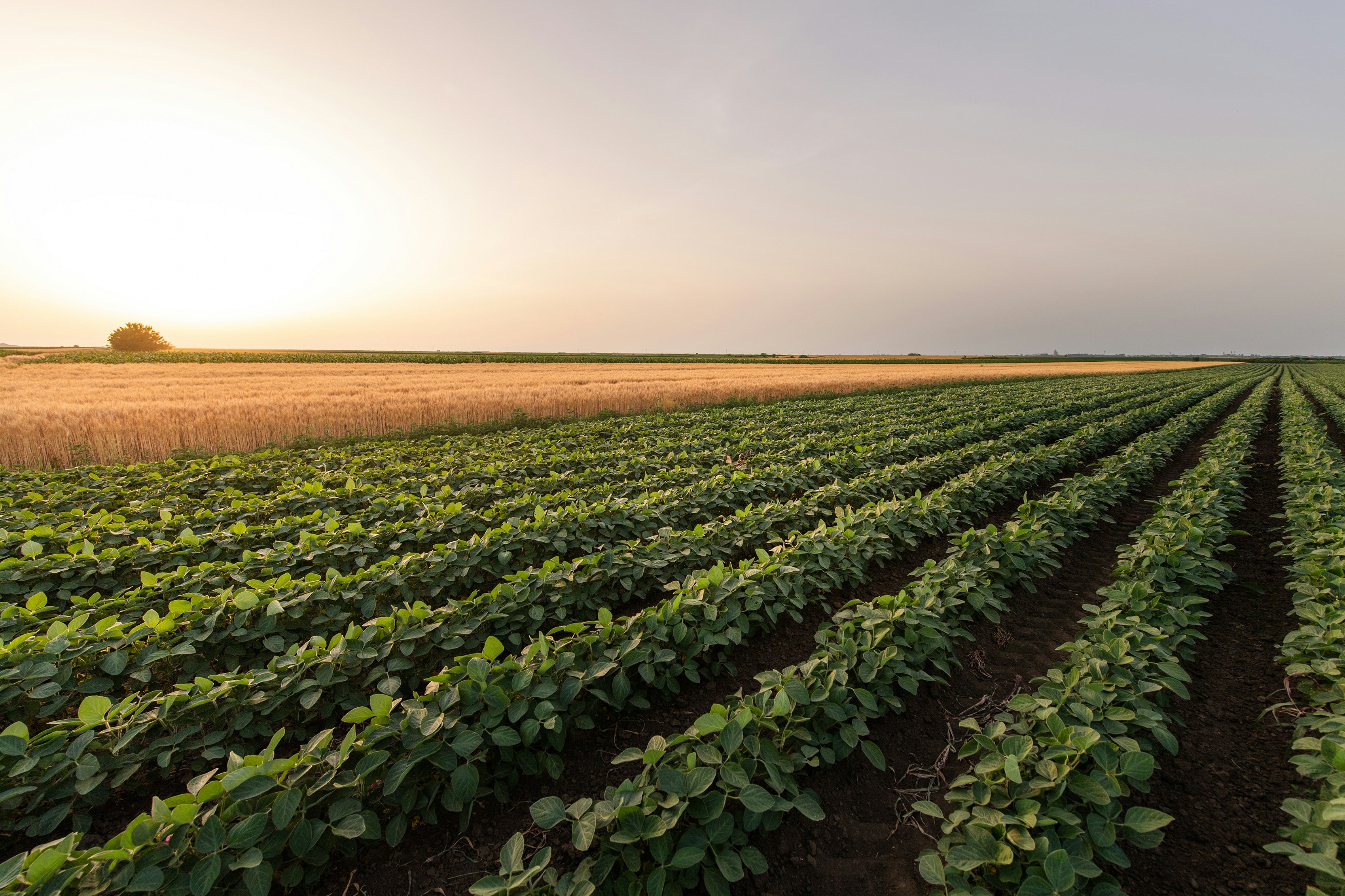
The project marks something genuinely new. Not just for Latvia, but for Europe. For the first time, locally grown crops will be processed into high-value plant-based protein ingredients using Happy Plant Protein’s proprietary technology, bringing production closer to primary agriculture in the Baltic region.
A new model for plant protein production
At its core, this facility will represent a shift in how plant protein can be produced and where value is created. Instead of relying on centralised, capital-intensive production plants, the model enables regional production, shorter supply chains, and stronger local value creation. It also opens up new revenue streams for agricultural stakeholders, from farmers to mills and co-operatives.
The project is significant on multiple levels: It establishes industrial-scale plant protein production in Latvia for the first time, introduces a simpler, more scalable production model for the food industry, and finally, marks the first industrial deployment of Happy Plant Protein’s technology. More broadly, it demonstrates how decentralised, crop-based protein production could be implemented across European agricultural regions.
Lower investment, faster to build
The facility represents a greenfield investment of approximately €6 million, significantly lower than traditional plant protein isolate plants, which can require investments of up to €150 million.
Construction is expected to take around one year, with production scheduled to begin in early 2027. The project is partly funded by the EU.
Once operational, the plant will process locally grown crops such as faba beans, oats, and peas into plant-based protein ingredients. It will primarily utilise Latvian and Baltic raw materials while serving customers across the Baltics, Europe, and the Nordic region.
From agriculture to food innovation
Happy Plant Protein is responsible for implementing the technology and optimising raw materials to ensure consistent, high-quality protein output. The local partner, Agrofirma Lobe SIA, leads the investment and plant development and will establish a dedicated entity for the project.
Happy Plant Protein licenses its proprietary dry extrusion technology, enabling the partner to operate the facility using its system.
“This is a significant milestone for us, demonstrating that our technology works at an industrial scale and creates value directly at the level of primary production. Its greatest advantage is simplicity.
We produce textured vegetable protein directly from flour in a one-step process, making it both cost-efficient and sustainable. This opens up new opportunities for mills, farms, and co-operatives.”
says Jari Karlsson, CEO & Co-founder of Happy Plant Protein.
The end product — textured vegetable protein (TVP) — is a key ingredient for food industry R&D, enabling the development of new, tasty, and healthier plant-based and hybrid products.
Built on Finnish research
Happy Plant Protein’s technology is based on research originating from VTT Technical Research Centre of Finland. The patented dry extrusion process is single-stage, energy-efficient, and does not require chemical inputs, while using minimal water and energy.
The company continues to collaborate with European partners to scale its deployment.
“Our ambition is to make plant protein production more accessible and more local, ensuring that more value remains closer to the raw material producers.
By enabling protein production directly from locally grown crops, we help agricultural producers move up the value chain, from low-margin raw materials to higher-value food ingredients,” says Raivo Dzilna, Chairman of the Board at Agrofirma Lobe SIA.
Capacity and sustainability
The planned annual production capacity of the facility is approximately 5,000 tonnes, serving growing regional demand for plant protein ingredients.
A key differentiator is the efficiency of the process: the facility is designed to operate without chemical inputs, with minimal energy use and no side streams. This enables a significantly more sustainable production model compared to conventional alternatives.